
 English
 EN
EN FRENCH
 繁体中文
繁体中文





Cut SOCKS5 Proxy Costs Without Sacrificing Quality
Learn how to optimize SOCKS5 proxy costs without compromising quality by leveraging non-expiring traffic, static ISP proxies, and workload-matched rotation strategies.

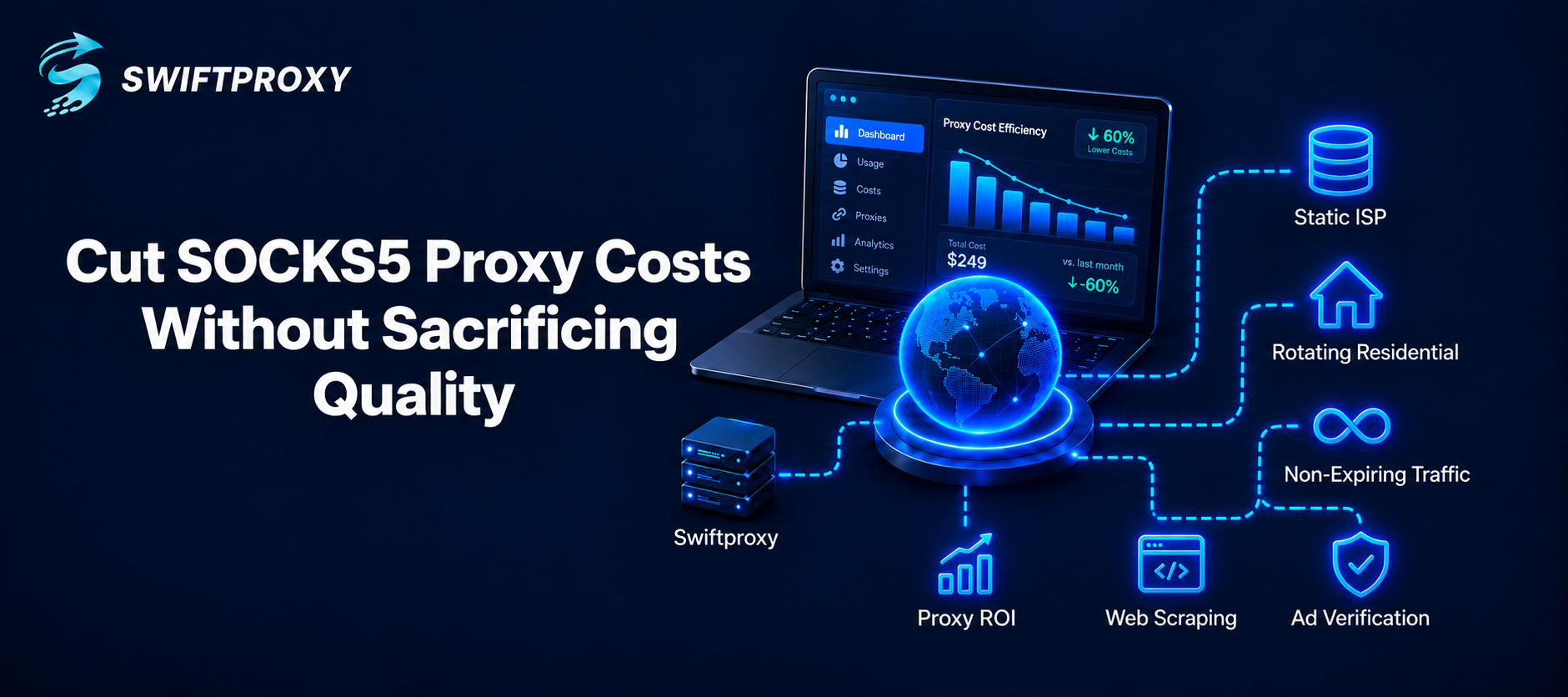
SOCKS5 proxy costs can rise quickly when teams pay for static IPs they rarely use or purchase traffic that expires before the next project begins. For developers and data teams, better ROI comes from matching proxy resources to actual workloads rather than simply choosing the cheapest plan.
Static ISP proxies are useful when a stable IP is essential, while rotating residential proxies are often more efficient for tasks that require scale, geographic coverage, or IP diversity.
Why Static SOCKS5 Proxies Can Be Expensive
Static residential proxies keep the same IP for longer periods, making them useful for persistent sessions, regional testing, and repeated monitoring. Their main value is consistency.
The downside is underutilization. If only a small portion of a static proxy pool is actively used, the real cost of each productive IP increases. Static ISP proxies therefore make the most sense when stable identity is genuinely required.
Static ISP vs Rotating Residential Proxies
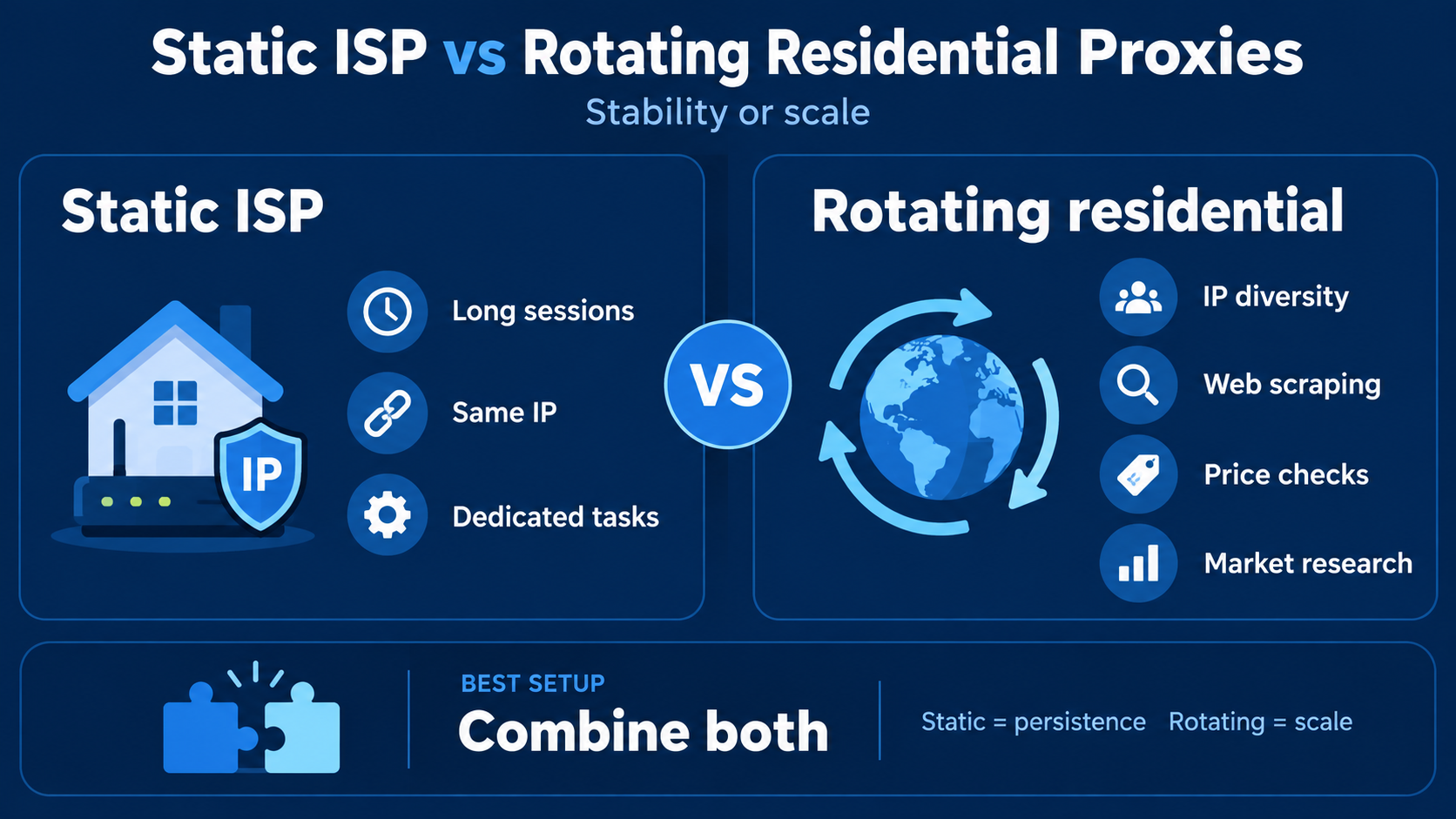
Static ISP proxies work well for long sessions, dedicated connections, and repeated access from the same IP. Rotating residential proxies are better suited to web scraping, price monitoring, market research, and other workloads that benefit from IP diversity.
For many teams, combining both models is more efficient. Static proxies can handle persistent tasks, while rotating residential proxies support scalable or temporary workloads.
Why Non-Expiring Traffic Improves ROI
Unused bandwidth is another hidden proxy cost. A project may consume only part of a traffic package, while the remaining balance is lost when a traditional plan expires.
Swiftproxy residential proxy traffic does not expire, allowing unused traffic to remain available for future projects. This is useful for irregular web scraping, seasonal research, development testing, and other workloads with unpredictable demand.
Teams can purchase traffic based on actual needs instead of trying to use it before a billing deadline. Better traffic utilization can directly improve proxy ROI.
Smarter Proxy Selection for Web Scraping
Large-scale web scraping often needs IP diversity more than permanent IP identity. Rotating residential proxies can distribute requests across different IPs and locations, making them suitable for scalable public data collection.
Static residential proxies are more useful when longer sessions or repeated access from the same IP are required. The goal is to avoid paying for static capacity when proxy rotation can handle the workload efficiently.
Market Research and Ad Verification
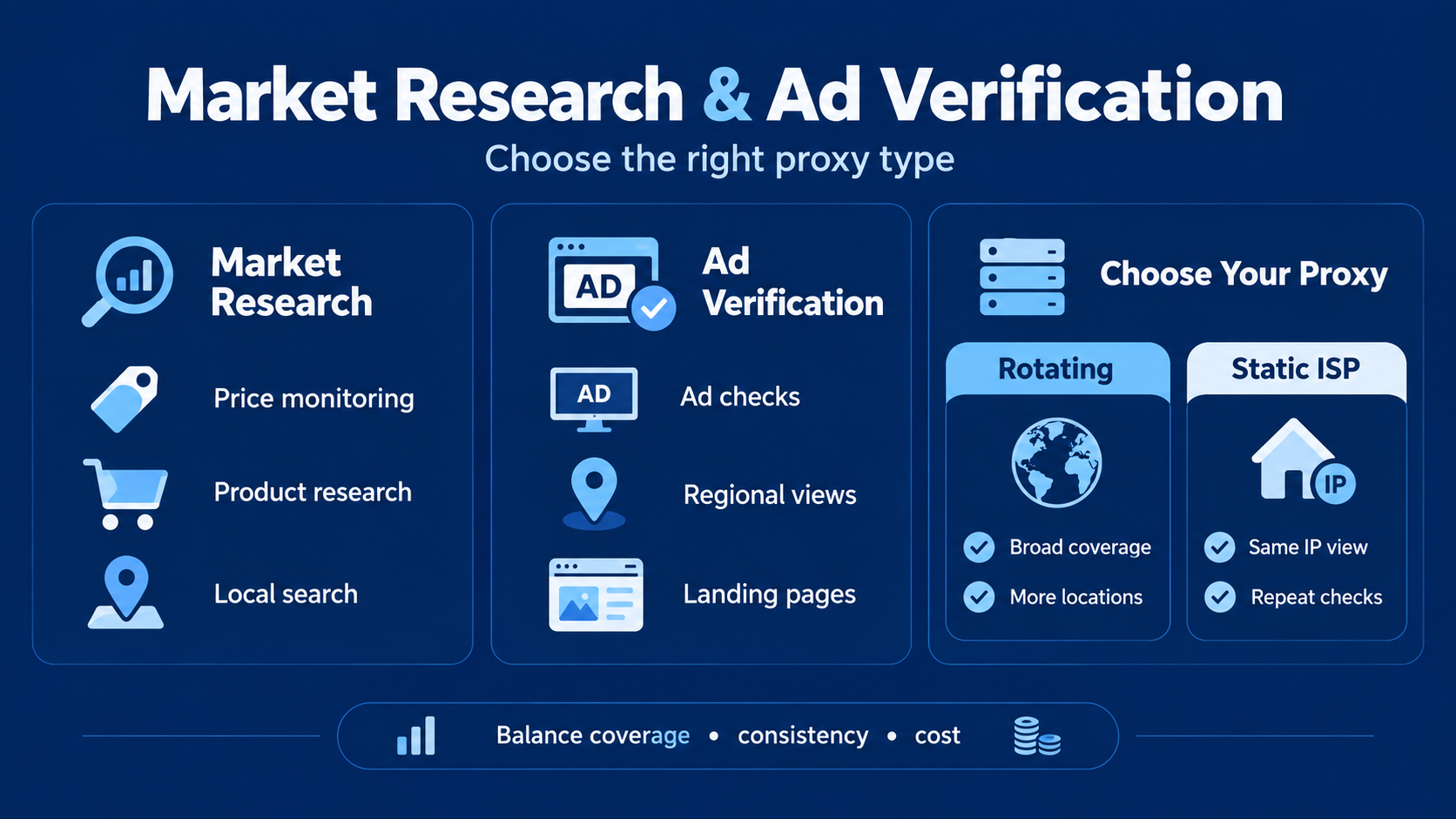
Residential proxies can support price monitoring, product research, localized search analysis, and other location-based market research. Rotating proxies are useful for broader geographic coverage, while static ISP proxies are better for repeated observations from the same network identity.
The same principle applies to ad verification. Choosing the right proxy type helps balance coverage, consistency, and cost.
SOCKS5 Proxy Selection Checklist
Before choosing a SOCKS5 proxy plan, focus on actual usage rather than unit price alone.
- Use Static ISP Proxies for stable IPs, persistent sessions, and dedicated connections.
- Use Rotating Residential Proxies for web scraping, market research, and scalable data collection.
- Choose non-expiring traffic for irregular or project-based workloads.
- Use proxy rotation when IP diversity improves scalability.
- Measure actual utilization instead of focusing only on price per IP or GB.
Lower Costs Through Better Utilization
Reducing SOCKS5 proxy costs does not mean lowering proxy quality. The biggest savings often come from reducing idle static IPs and improving how purchased traffic is used.
Use static proxies when continuity matters and rotating residential proxies when scale and IP diversity matter more. A workload-based strategy can reduce waste, control costs, and improve overall proxy ROI.
About the author
 Top-tier residential proxy solutions
 {{item.title}}
Related articles

 352
352


- Please provide your account number, or email address.
- Provide videos or screenshots, and simply describe the problems you are facing.
- Our staff will reply to your message within 24 hours.



