
 FRENCH
 EN
EN FRENCH
 繁体中文
繁体中文


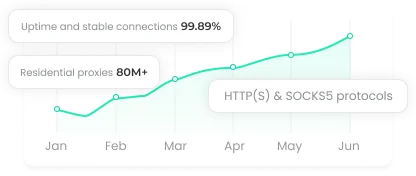


What Is a Proxy Server and How Does It Work?
Learn how a proxy server acts as an intermediary between your device and the web to forward requests, manage traffic, and support authorized network operations.


A proxy server acts as an intermediary between a user’s device and an online service. Instead of connecting directly, the device sends its request through the proxy, which forwards it to the destination and returns the response.
The destination generally sees the proxy connection rather than a direct connection from the user. However, a proxy does not guarantee anonymity, encryption, or protection from online threats.
How a Proxy Server Works
A basic proxy connection follows four steps.
- The device sends a request to the proxy.
- The proxy forwards the request to the destination.
- The destination sends its response to the proxy.
- The proxy returns the response to the device.
Depending on its configuration, a proxy may apply access rules, cache content, manage traffic, or reduce direct exposure of the user’s original IP address.
Some HTTP proxies support the CONNECT method for HTTPS traffic. This creates a tunnel through which the user and destination website can establish an encrypted TLS connection. Not every proxy supports this method, and a proxy does not automatically encrypt all traffic from a device.
Common Proxy Types
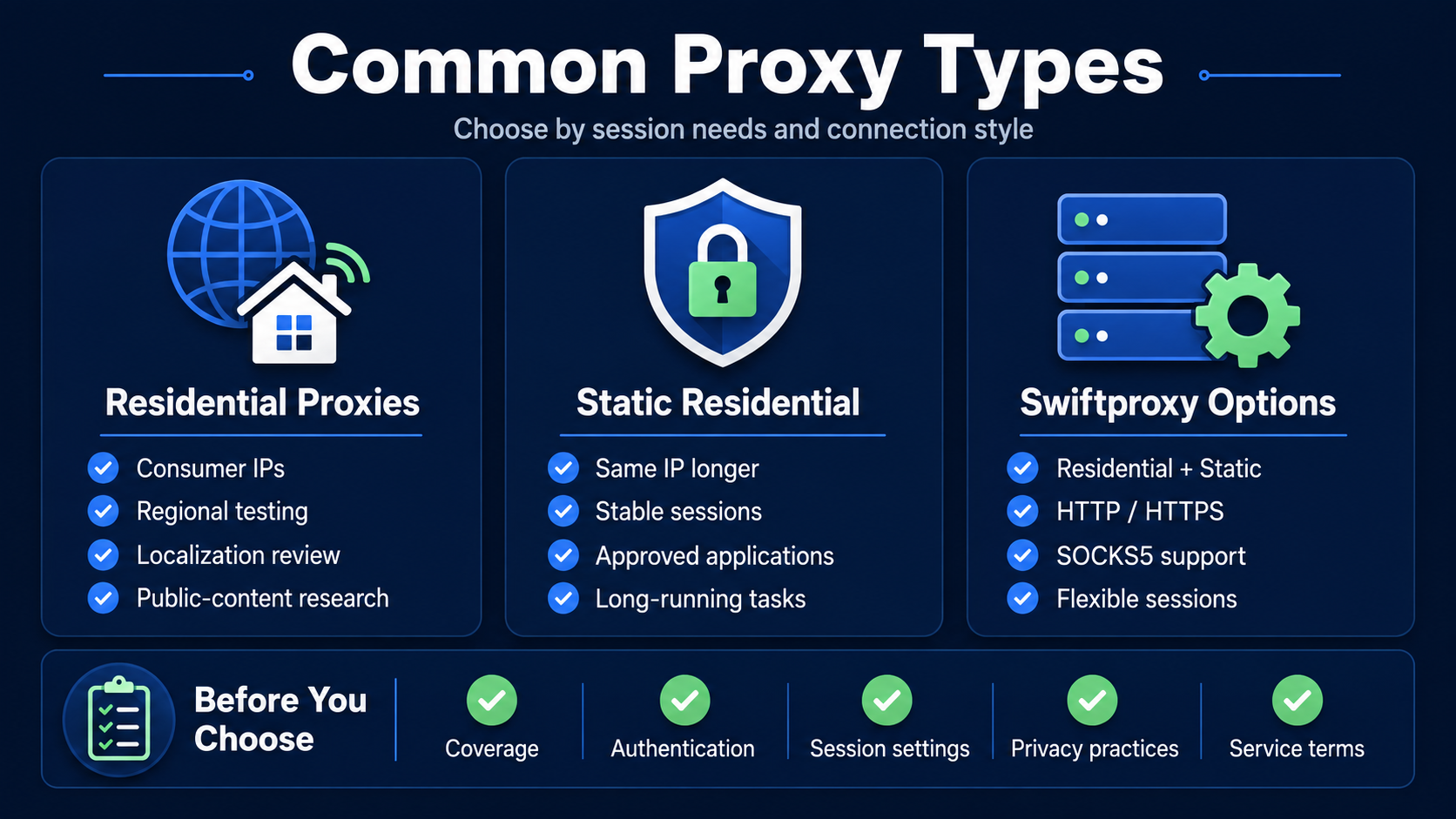
Residential proxies route requests through IP addresses associated with consumer internet connections. They may support authorized regional testing, localization reviews, and permitted public-content research.
Static residential proxies maintain a consistent IP address for longer periods. They may be suitable for approved applications that require stable sessions.
Swiftproxy offers residential and static residential proxy options with HTTP/HTTPS and SOCKS5 support. Users should review location coverage, authentication methods, session settings, privacy practices, and service terms before selecting a product.
Using a Proxy While Traveling
A proxy may reduce direct exposure of a home or business IP address, but it should not be treated as complete protection on public Wi-Fi. Travelers should also use HTTPS websites, keep devices updated, disable automatic Wi-Fi connections, and avoid sensitive transactions on unknown networks.
Passwords, payment details, and other confidential information should only be entered through trusted applications and encrypted connections. A proxy should complement these precautions rather than replace them.
Responsible Proxy Use
Proxies can support legitimate website testing, network administration, application monitoring, and authorized research. They do not provide permission to access restricted systems or disregard website rules.
They should not be used to bypass access controls, conceal harmful automation, collect protected information, or evade platform enforcement. Users remain responsible for complying with applicable laws, privacy requirements, intellectual-property rules, and service terms.
Conclusion
A proxy server forwards network requests between a device and an online service. It may support IP management, regional testing, traffic control, and other authorized activities.
Its effectiveness depends on the proxy type, configuration, infrastructure, and destination connection. Proxies should be combined with encrypted websites, secure authentication, updated software, and responsible online practices.
Note sur l'auteur
 Solutions proxy résidentielles de haut niveau
 {{item.title}}
Articles liés

 497
497


- Veuillez fournir votre numéro de compte ou votre adresse courriel.
- Fournissez des vidéos ou des captures d'écran et décrivez simplement les problèmes auxquels vous êtes confronté.
- Notre personnel répondra à votre message dans les 24 heures.