
 English
 EN
EN FRENCH
 繁体中文
繁体中文




Why Free Proxies Are Riskier Than You Think
Free proxies might seem convenient, but they come loaded with risks, from malware and data theft to poor performance that can derail your projects. Paid proxies or free trials from reputable providers offer a much safer route, and in this article, we'll break down why. We'll cover why people turn to free proxies, the hidden dangers lurking behind them, safer alternatives, and practical tips to stay protected.

Why Free Proxies Get Used
The reason is simple, it comes down to cost. Free is hard to beat. Paid proxies, however, can get expensive quickly depending on the type and scale:
- Residential proxies: Offer strong anonymity and real ISP IP addresses, but they are expensive, typically costing $1.50–$4 per GB, with premium options up to $15 per GB. Monthly plans can start around $30 for light usage and reach hundreds or even thousands for enterprise needs.
- Datacenter proxies: More affordable, usually priced at $0.20–$2 per IP per month, but they provide lower anonymity. If you need many high-quality IPs, business plans can rise to $100–$300 or more.
- Mobile or ISP proxies: Premium choices that often cost tens or hundreds of dollars per line. They deliver high reliability and realistic IP behavior, making them suitable for complex scraping or geo-sensitive tasks.
Free proxies also appeal for experimentation or small, temporary tasks. Whether it's SEO testing, low-scale data collection, or simple privacy experiments, free proxies can feel like a convenient shortcut—but there's a reason shortcuts often come with risks.
The Hidden Risks of Free Proxies
Free proxies can seem harmless at first glance, but most are riddled with vulnerabilities. Here are the biggest dangers:
- Weak or no encryption: Many free proxies simply reroute traffic without protection. That leaves sensitive data exposed and easily intercepted. Even protocols like SOCKS5 can be insecure if implemented poorly by a free provider.
- Malware and cookie theft: Free proxies may inject malware, use malvertising, or steal cookies, giving attackers access to your social media, banking, and personal accounts.
- Data logging and identity theft: Some providers actively monitor your traffic, then sell or misuse the data. Anything you do could be logged without your knowledge.
- Poor performance and reliability: Public IP pools are unstable. Shared IPs often get banned or slow down, leading to high latency, frequent disconnects, and interrupted workflows.
Better Alternatives to Free Proxies
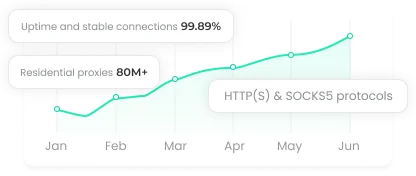
Paid proxies resolve most of the issues that come with free proxies. Professional providers ensure encrypted and secure connections, offer high uptime (often 99% or more), and provide reliable, dedicated IPs. They also maintain transparent privacy policies, undergo regular audits, and significantly reduce the risk of monitoring, malware, and data theft.
These features are vital for privacy-sensitive or professional tasks, such as web scraping, SEO monitoring, ad verification, and accessing geo-restricted content. Many providers also offer free trials, allowing you to evaluate their security, speed, and reliability before committing financially.
When to Use a Free Proxy
Free proxies have very limited, practical use:
- Education and experimentation: Learning or testing configurations where speed and uptime aren't critical.
- Geo-restricted content: Light access may work, but frequent server switching is often required.
- Small-scale scraping: Only for very low-risk, minimal projects.
Practical Tips for Using a Free Proxy
If you do use free proxies, follow these precautions:
Avoid logging into sensitive accounts—banking, email, or multiple social media profiles.
Use isolated environments, like virtual machines or disposable browser profiles.
Skip installing helper apps or extensions pushed by free proxy services.
Monitor system behavior for malware or unusual activity.
Even with precautions, free proxies can never be fully safe. Paid or reputable trial-based proxies remain the only reliable choice for long-term or sensitive use.
Final Thoughts
Free proxies may seem like a bargain, but they come with serious trade-offs. Weak encryption, data logging, malware, and poor reliability make them unsuitable for professional or privacy-critical tasks. Their appeal is short-lived, while the risks remain very real.
If security, performance, and reliability matter, invest in paid proxies or at least try free trials from reputable providers. The true cost of a "free" proxy is rarely money; it is the risk you take with your data and time.
About the author
 Top-tier residential proxy solutions
 {{item.title}}
Related articles

 474
474


- Please provide your account number, or email address.
- Provide videos or screenshots, and simply describe the problems you are facing.
- Our staff will reply to your message within 24 hours.