
 English
 EN
EN FRENCH
 繁体中文
繁体中文




The Role of Backconnect Proxies in High-Volume Data Collection
Imagine attempting to scrape data from hundreds of websites at scale without getting blocked. It may seem unrealistic, but backconnect proxies make it achievable. These are not ordinary servers, as they automatically rotate IP addresses to reduce detection and maintain consistent access. Instead of relying on a single static IP, they route traffic through a dedicated gateway connected to a dynamic pool of addresses. The outcome is greater anonymity, fewer disruptions, and smoother access to restricted content.

How Backconnect Proxies Function
What makes backconnect proxies unique is their layered traffic routing. Your request first hits a controller server. Then it's forwarded through a pool of IP addresses, which rotate automatically after a set number of requests or time interval. No manual intervention needed. This design mimics access from multiple devices and locations, making detection incredibly difficult.
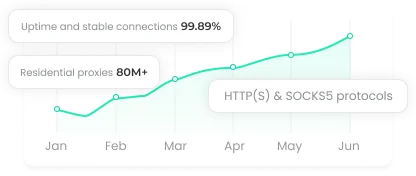
Backconnect proxies support multiple connection protocols:
HTTP: Standard web traffic
HTTPS: Secure, encrypted browsing
SOCKS: Operates at a lower network level, offering better flexibility and compatibility for complex tasks
The automatic IP cycling prevents tracking and allows users to bypass rate limits, CAPTCHAs, and other website restrictions with ease.
Rotating Backconnect Proxies
Rotating proxies are a subset of backconnect proxies known for automatic IP switching. Instead of keeping the same address, the system changes your IP after a set time or request limit. This continuous rotation improves anonymity and makes it much harder for platforms to detect or restrict activity, especially when dealing with bans, CAPTCHAs, or regional limits.
Most rotating backconnect proxies operate on IPv4 infrastructure, which works smoothly with the majority of websites and automation tools. Some providers also support IPv6 for services built on newer protocols. Compared with static datacenter proxies, rotating IPs are more difficult to detect, more resistant to blocks, and better suited for handling large volumes of traffic.
For professional, high-scale operations, rotating backconnect proxies offer stronger privacy and greater stability. They simulate access from multiple locations and assign regional IPs automatically, reducing manual setup. The result is a faster, more adaptive, and more secure proxy solution.
Main Use Cases of Backconnect Proxies
Backconnect proxies shine in scenarios where scale, anonymity, and flexibility matter:
Web Scraping and Collection: Rotate IPs automatically to bypass request limits and prevent bans
Control Multiple Accounts: Assign unique IPs to each session to avoid detection on single platforms
Breaking Geo-Restrictions: Switch regions dynamically for marketing, research, or content access
SEO and Marketing Automation: Automate campaigns, rank tracking, and competitive research safely
Software and Website Testing: Simulate users across networks and geographies for realistic performance evaluation
For any professional operation that requires high-volume web interactions, these proxies aren't just helpful—they're essential.
Choosing the Best Backconnect Proxies
Selection comes down to a few critical factors:
Workload Demands: How many requests and concurrent threads you need
IP Availability: Ensure desired geolocations are covered
Supported Protocols: SOCKS5 is often a must for advanced use cases
Management Tools: Look for IP rotation panels, dashboards, or API access
Opt for providers that guarantee server stability, responsive technical support, and transparent terms of service. While these proxies are more expensive than standard datacenter ones, the cost is justified. They ensure performance, reliability, and protection against bans—key for professional operations.
Conclusion
Backconnect proxies give you scale without exposure and automation without constant disruption. When configured correctly, they turn fragile workflows into stable systems. Choose wisely, match them to your workload, and they become a long-term competitive advantage rather than just another tool in your stack.
About the author
 Top-tier residential proxy solutions
 {{item.title}}
Related articles

 473
473


- Please provide your account number, or email address.
- Provide videos or screenshots, and simply describe the problems you are facing.
- Our staff will reply to your message within 24 hours.