
 English
 EN
EN FRENCH
 繁体中文
繁体中文




How Proxy Services Support Scalable Workflows
Nearly one in three requests on the modern web gets flagged or blocked before it delivers any value. That's the environment you're operating in, whether you realize it or not. A proxy service shifts the balance by letting you manage how your traffic appears, control where it originates, and keep your workflows running without constant interruptions.

What Does a Proxy Service Mean
At its core, a proxy service lets you route your internet requests through different IP addresses. Simple idea. Big impact. Instead of connecting directly, your traffic passes through another machine, which makes it appear as if you're browsing from a different location or device.
But here's where it gets practical. A good proxy service doesn't just hand you an IP and walk away. It gives you reliable access, consistent performance, and control over how those IPs are used. That's what turns a basic tool into something you can actually build workflows around.
The Differences Between Proxy Service and Proxy Server
Let's clear up the confusion because this trips people up all the time. A proxy server is just the machine doing the rerouting. It's the engine. It takes your request, forwards it, and sends the response back. That's it.
A proxy service is everything around that engine. It's the infrastructure, the IP sourcing, the maintenance, and the tools you use to manage it all. Think dashboards, rotation settings, filtering options, and support when things break. One is a component. The other is a system you can rely on.
Why a Proxy Service Is Worth Paying For
Here's where paid proxy services earn their keep:
- Scale you can't replicate easily: Providers operate massive IP pools. We're talking thousands to millions of addresses across different regions, networks, and carriers. That kind of diversity makes targeting specific locations straightforward and reduces the chance of getting blocked. Try building that yourself—it's not realistic.
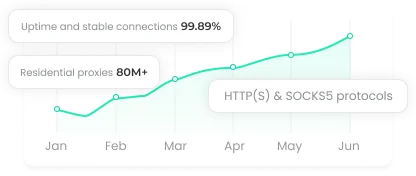
- Infrastructure that stays alive: Uptime matters. A lot. Proxy services actively monitor their networks, remove flagged IPs, and keep connections stable. You don't have to babysit your setup or constantly replace dead endpoints. It just runs.
- Access to harder-to-get IP types: Residential IPs are now crucial for many tasks. Websites trust them more. Blocking is lower. Running these on your own is complex and often impractical. Services already have them ready to go.
- Tools that save real time: This is where things get efficient. Instead of juggling raw IP lists, you get rotation controls, session management, and backconnect gateways. One endpoint can dynamically pull fresh IPs from a pool. Some providers even offer APIs that handle scraping logic. That's hours—sometimes days—saved.
- Support when things break: And they will break. That's normal. The difference is whether you're stuck debugging alone or can get help immediately. Good providers offer 24/7 support, and that alone can justify the cost during critical runs.
- Cleaner, more reliable IP sourcing: Reputable services focus on legitimate sourcing and usage. That keeps IPs usable longer and reduces legal or reputational risks. It's not just about access—it's about staying operational.
How to Select the Right Proxy Service
Start with your use case. Always. If you're collecting large-scale data from platforms that actively block traffic, you'll need residential proxies with strong rotation.
Then look at the IP pool size. Bigger usually means safer. A small pool increases the chance of repeated requests from the same IPs, which leads to bans. With residential networks, keep in mind the pool is dynamic—it changes as devices go online and offline. That variability can actually work in your favor.
Finally, test before you commit. Run small workloads. Check success rates, latency, and how often IPs get blocked. Don't rely on specs alone—real performance tells the truth.
Final Thoughts
A proxy service isn't just a convenience layer. It's infrastructure. It gives you stable access to a large, managed network of IPs, along with the tools to use them effectively. If you're serious about automation, data collection, or operating at scale, it's foundational.
About the author
 Top-tier residential proxy solutions
 {{item.title}}
Related articles

 358
358


- Please provide your account number, or email address.
- Provide videos or screenshots, and simply describe the problems you are facing.
- Our staff will reply to your message within 24 hours.