







Smart Techniques for Managing Accounts on Social Media
Every year, thousands of accounts get banned on major social platforms, often due to suspicious behavior or violation of terms. In the past, changing your IP address was enough to get around limitations. But times have changed. Social media networks are smarter, and they can detect more than just your IP address. So, if you're managing multiple accounts, how do you do it safely? Let's dive into the strategy behind managing several accounts on one platform without risking a ban.

Understanding Social Media's Fingerprint System
Social media platforms aren't just tracking your login information; they're building a detailed profile of your behavior. They look at your device specs, cookies, and even metadata from photos you upload. These data points create a "fingerprint"—a digital identity that helps the platform recognize you across multiple accounts.
Years ago, users could get by with simple tricks like creating new user profiles on their computers or using portable browsers like Firefox. But today, this won't cut it. Social media platforms have evolved, and so must your approach. The key now? Compartmentalizing your profiles. This is where anti-detect browsers come into play.
Why Anti-Detect Browsers Are a Game Changer
Anti-detect browsers are designed to help you manage multiple profiles without triggering alarms. These browsers spoof your identity—screen resolution, GPU specs, and even user agents—making it seem like each account is being accessed by a completely different device.
We've reviewed several anti-detect browsers like Incogniton, and many of them offer customizable settings to “add noise” to your digital fingerprint. This helps you blend in with normal internet traffic. But It's not just about hiding your identity. You need to ensure your profile doesn't look suspicious. Platforms can detect when you're trying too hard to cover your tracks.
The Power of Proxies
Proxies are crucial for managing multiple accounts without being detected. Social media platforms need to see a unique IP address for each account, and that's where residential proxies come in.
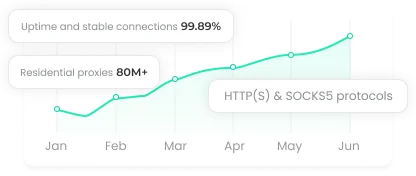
Residential proxies are sourced from real users' devices. They come from actual homes and use internet service providers (ISPs), so they look like legitimate traffic. These proxies allow you to mimic any location with precision, so your accounts appear to be accessing the platform from the correct region.
Residential proxies are reliable, but they need to be high quality. If you're using a low-quality proxy provider, the risk of your account being flagged increases. Ensure you're using a provider with a large pool of proxies—this way, your IP address won't be linked to too many accounts, reducing the chances of triggering a ban.
Best Practices for Safe Multi-Account Management
- Avoid Suspicious Activity: Don't log in and out of multiple accounts in quick succession from the same IP address. This screams "bot activity."
- Rotate Proxies: When using rotating proxies, make sure your IP changes stay within the same geographical area to avoid flagging your account for suspicious movement across the globe.
- Check Your Setup: Make sure that your profiles look consistent. Random device specs or erratic location changes can raise red flags.
- Be Discreet: It's not just about technical tools—it's about your behavior. Act like a real user, not a bot trying to game the system.
Final Thoughts
Managing multiple social media accounts safely requires a combination of anti-detect browsers, high-quality residential proxies, and careful attention to your behavior. By following best practices and maintaining natural-looking profiles, you can avoid detection and reduce the risk of account bans.
關於作者
 頂級住宅代理解決方案
 {{item.title}}

 424
424